
Whether it’s for your home entertainment system, DIY project, or a portable speaker, building an audio amplifier can significantly improve the quality and volume of your sound. In this blog post, we’ll guide you through the process of creating an audio amplifier using a ready-made module and dual 3W speakers, so you can enjoy high-quality audio without the need for complex circuitry. Before we dive into the project, let’s briefly discuss audio amplifiers. An audio amplifier, as the name suggests, amplifies audio signals, making them louder and more robust. It takes a low-power audio input and delivers a high-power output, which is crucial for driving speakers effectively.
PAM8403 – GF1002 3W+3W Dual channel audio amplifier board
This is a mini-board with a switching potentiometer. It contains powerful PAM8403 IC. Compact design allows it to easily fit inside many digital products. The working voltage is 5V. This board is built with a board switch potentiometer. This switch helps you to control volume and power switch freely. This board is best suited for portable devices. The sound output is also very good. You can easily connect two 3W speakers with this module.
Specification
- New and branded quality product
- Dual channel
- Power output : 3W+3W
- Operating voltage : 2.5V to 5.5V
- Recommended voltage : 5V
- Excellent sound quality
- On board switch potentiometer
Features
- Contains powerful PAM8403 IC
- Inbuilt switch potentiometer
- You can easily handle on/off and volume application
- High sound quality
Component Used
- PAM8403 Audio Amplifier Module
- 3 watt speaker *2
- Aux Cable
- 3.7v to 5v Power Supply
More Projects
-
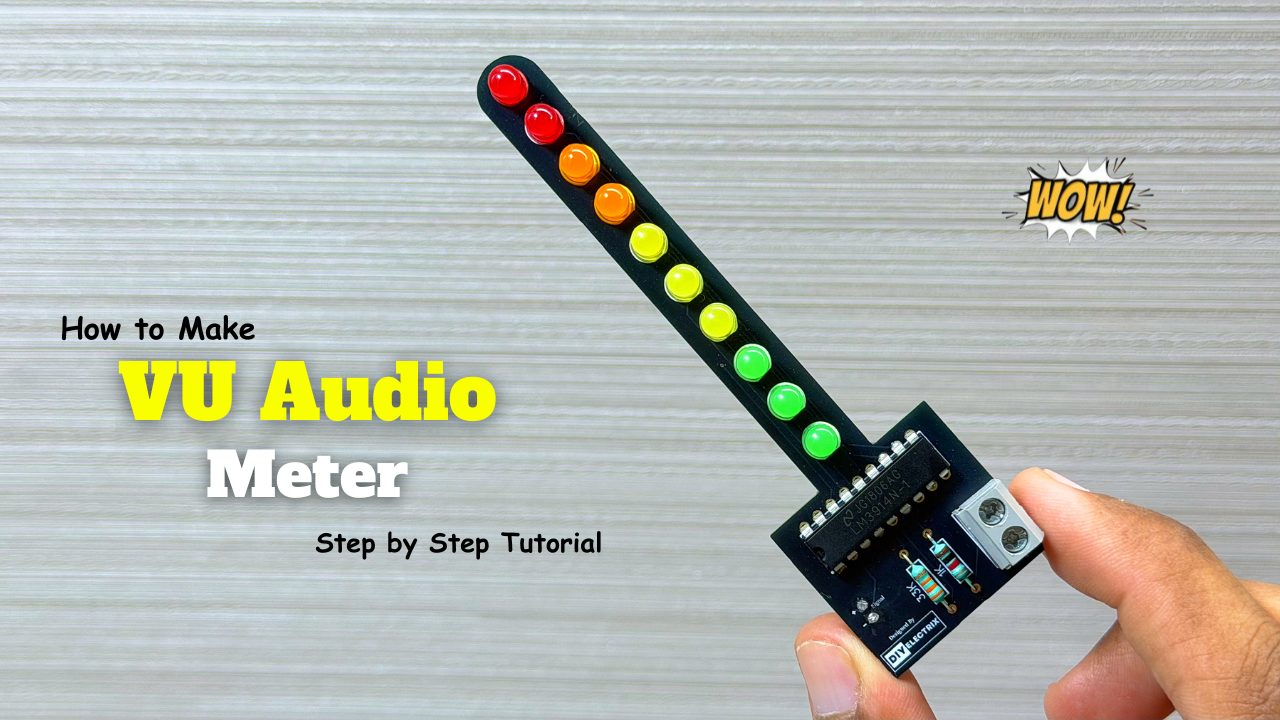
Audio Level Indicator – VU Meter
The VU meter—short for “volume unit meter”—is a device used to measure the average level of audio signals in terms of their loudness. It visually indicates the intensity of sound …
-
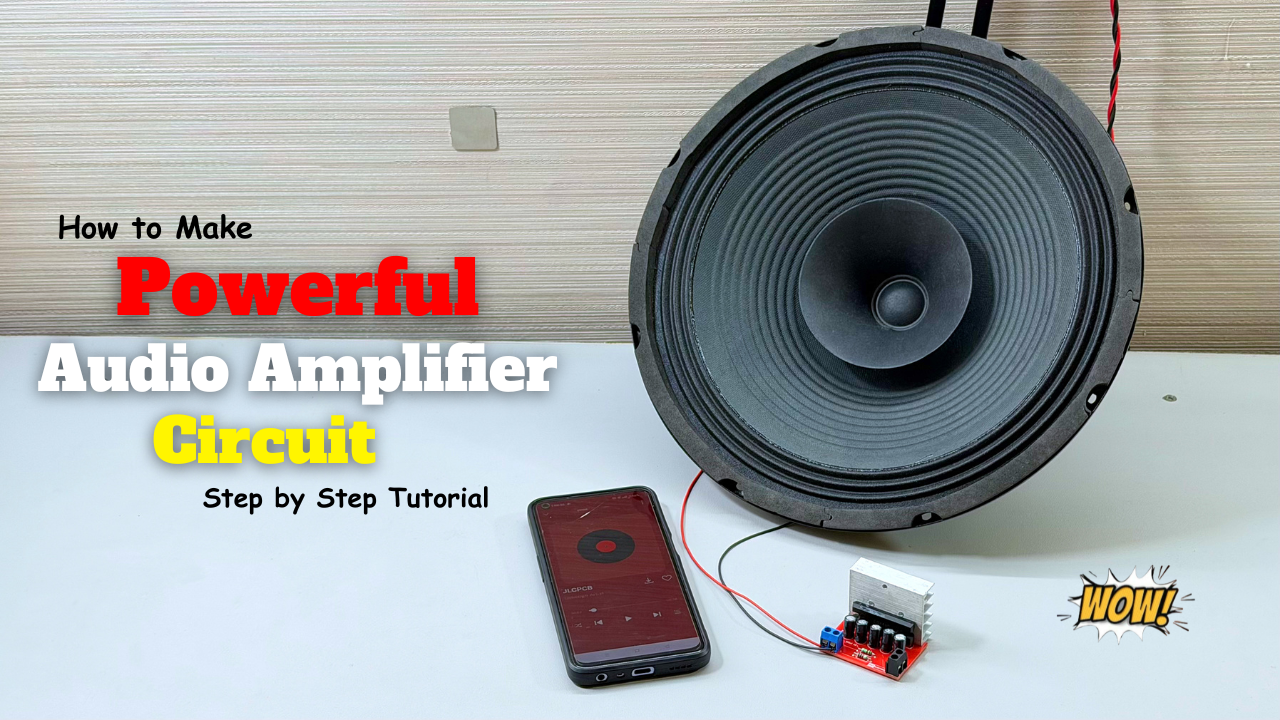
Powerful Audio Amplifier Using cd4440
Welcome to our latest video where we delve into the fascinating world of audio amplification using the CD4440 IC! In this comprehensive guide, we’ll walk you through the step-by-step process …
-
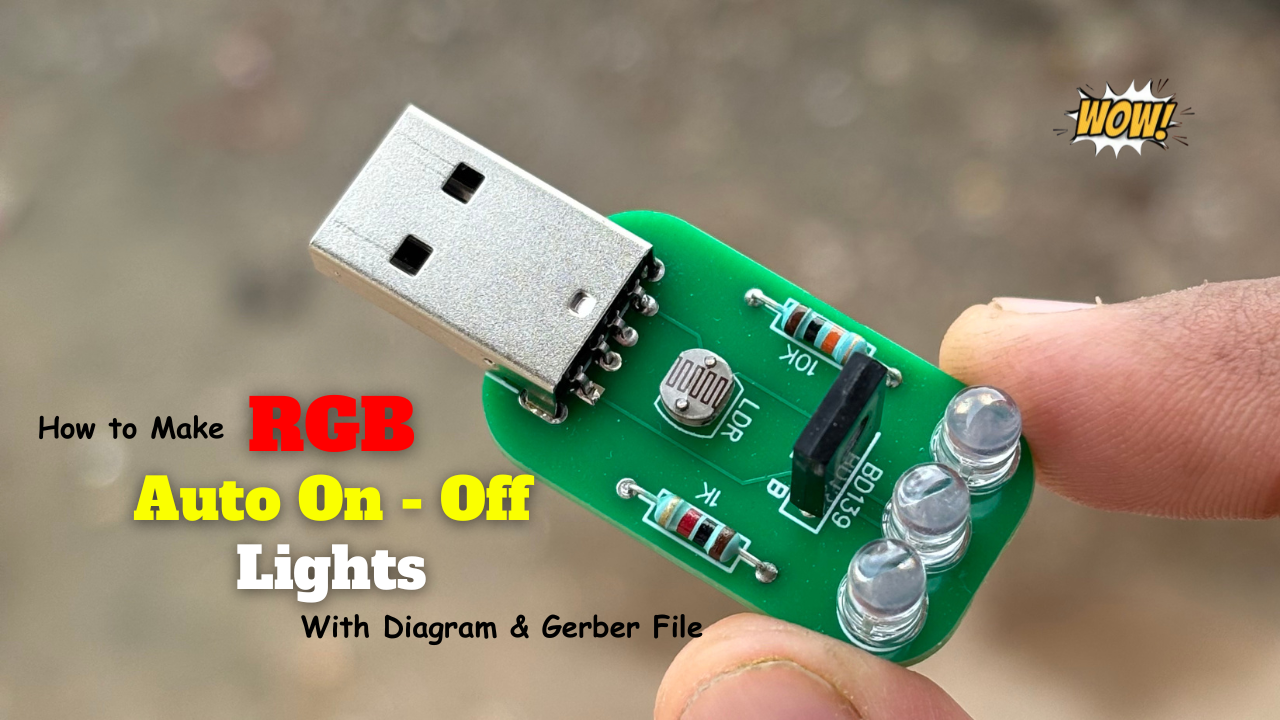
Building an Automatic Dark Sensor with BD139 Transistor
Light and darkness are two sides of the same coin, influencing our daily lives in ways we often overlook. Imagine a world where lights adjust themselves according to the ambient …